i design things,
then make them work.
Software Engineer based in Miami, FL. NYU CS grad, splitting time between code and design.
Full-stack web apps and internal tools, plus computer-vision side projects like an ASL hand-gesture interpreter. Working prototypes available down below.
Graphic design, gaming, and vlog editing. Most nights I'm reading or reviewing sci-fi/fantasy, or in the kitchen experimenting with Latin/South Asian fusion.
//Experience
Software Engineer Intern, Business Intelligence
- Independently refactored a PHP partnership-management platform from a flat, duplicated codebase into an MVC architecture (custom Controllers/Models/Services/Views), reducing redundant logic across core modules.
- Worked on development of a full-stack Events tracker — PHP backend, MySQL schema, REST-style API endpoints, JS frontend — covering venue management, event tracking, and role-based access, coordinating with one other developer.
- Integrated Cloudflare R2 object storage for the assets manager and secure contract/file storage tied to contracted packages.
- Built an admin dashboard with live system-health monitoring and KPI reporting, querying MySQL to surface season-scoped metrics for leadership.
Software Engineer Intern
- Built 7+ production React components for a workforce-management dashboard, shipping a labor-hours distribution pie chart, an expenditure/financials tracking card, and a Promotion Eligibility table with live API data.
- Led a systematic migration of legacy global CSS to CSS Modules across 5+ dashboard chart components and added dark mode support, reducing style conflicts and improving long-term maintainability.
- Designed a consensus-based voting feature in Figma, from concept through user workflows and interactive prototypes, to guide upcoming platform development.
- Reviewed 20+ pull requests across frontend and backend repositories, providing feedback on code quality and correctness.
B.S. Computer Science
- Relevant coursework: Artificial Intelligence, Software Engineering, Applied Internet Technologies, Data Structures, Algorithms, Linear Algebra.
- Involvement: Academic Achievement Program, Girls Who Code, Latinos Unidos Con Honor y Amistad.
//Software

Resumely
Generates ATS-friendly resumes from structured user input. Template based on Jake's Resume.
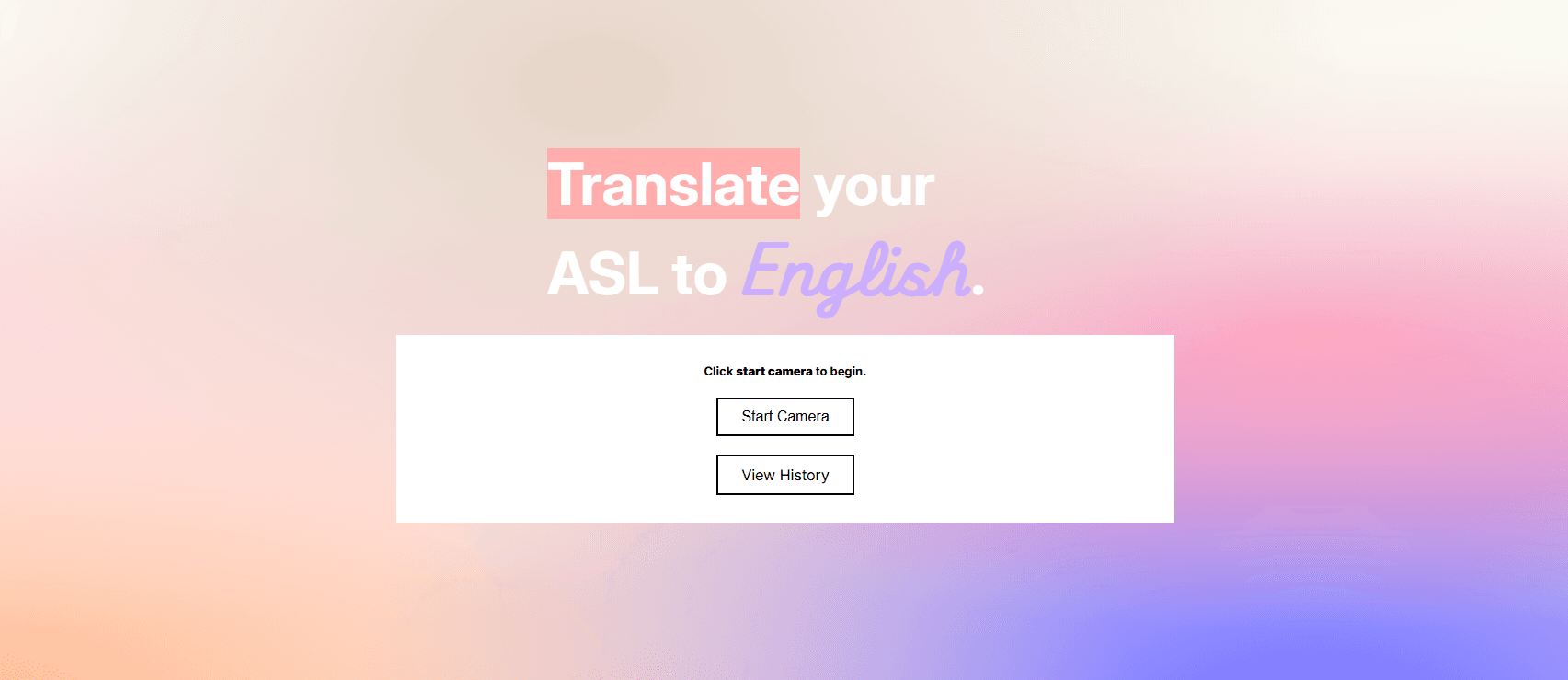
ASL Interpreter
Recognizes certain ASL hand gestures from a live camera feed using OpenCV and machine learning, served through a Flask backend and containerized with Docker.
Facial Attendance System
Real-time facial recognition attendance system using OpenCV and face_recognition, with a REST API and dashboard for viewing attendance data. Tested on a class of 80~ students.
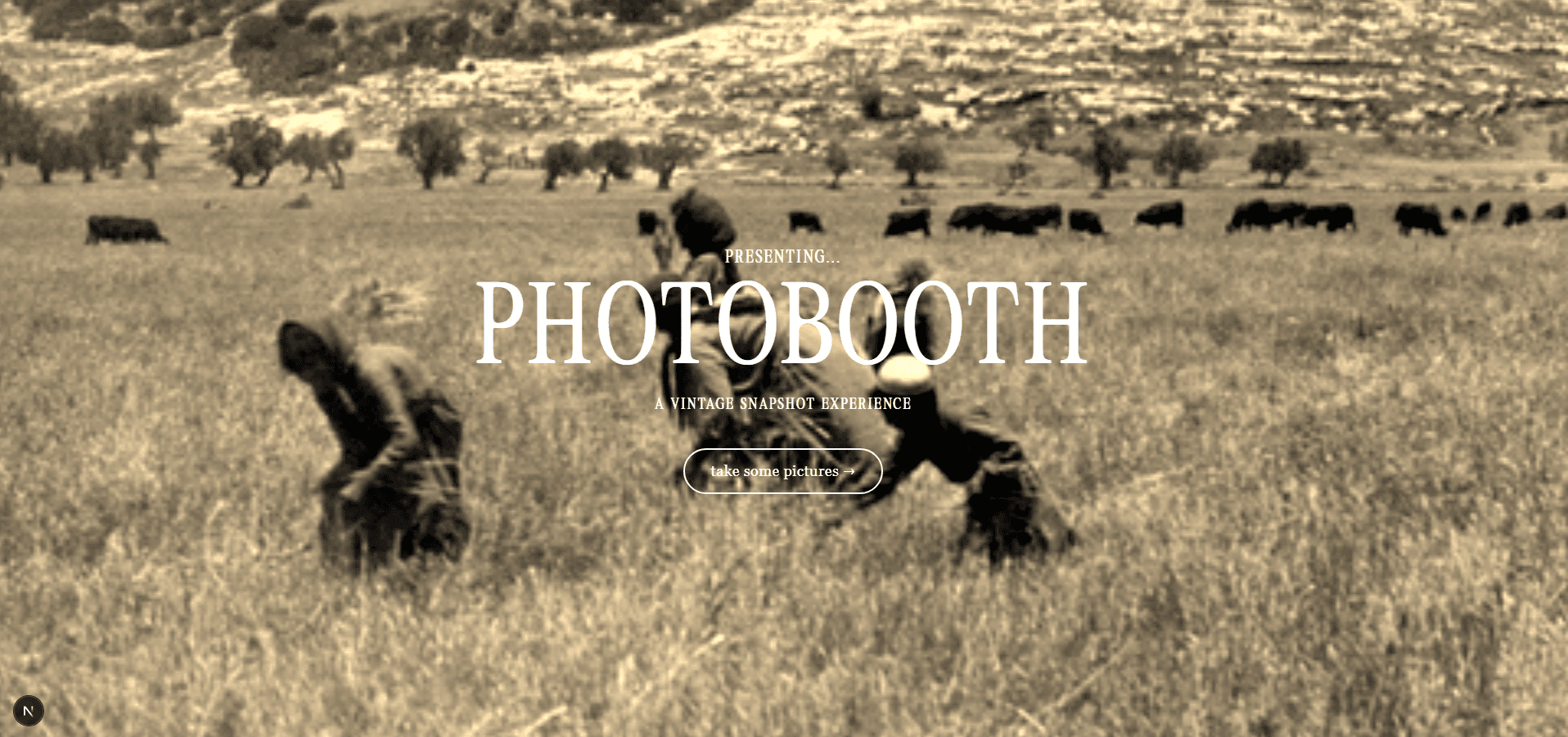
Photobooth
Browser-based photobooth to create chic photo strips from anywhere.
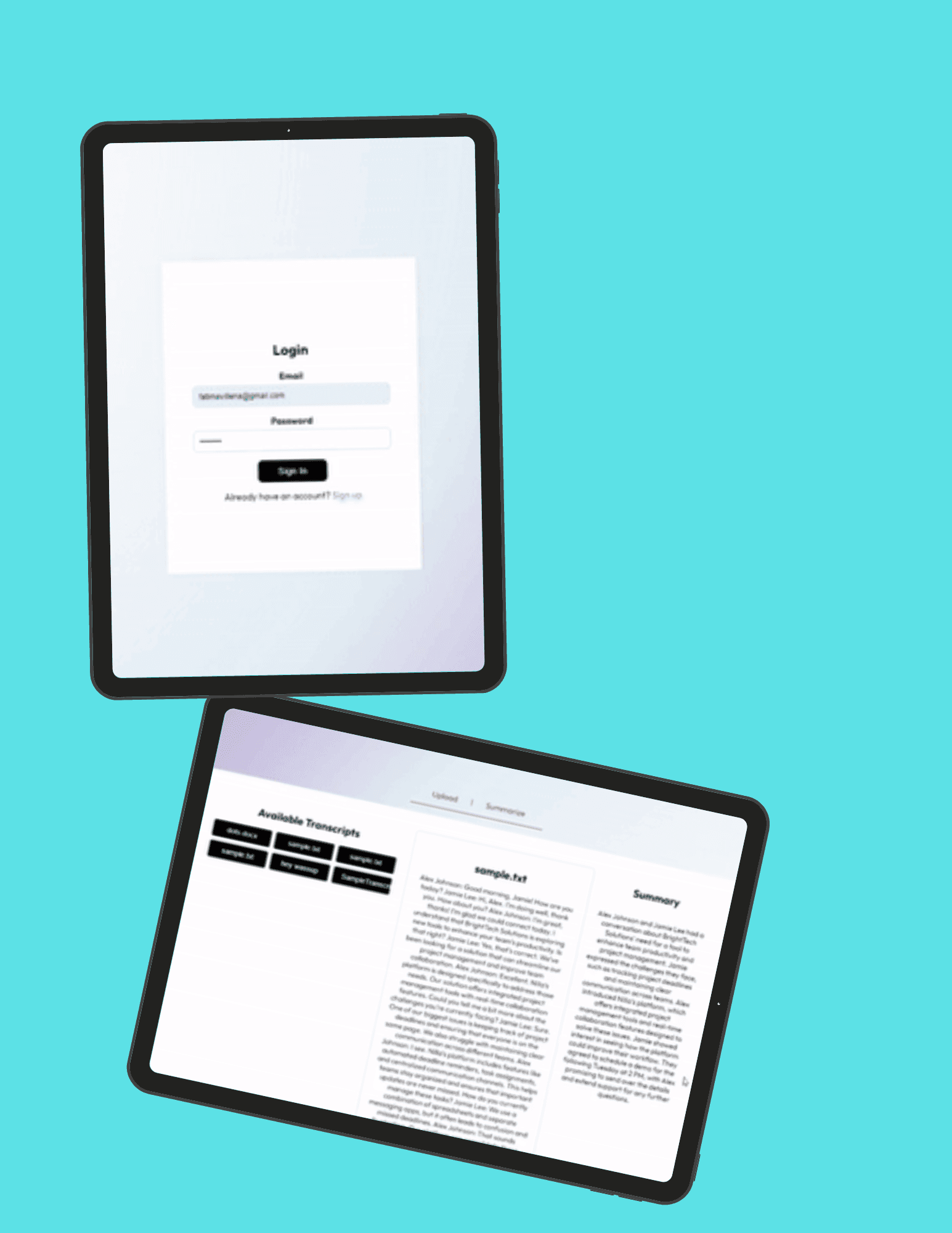
AI Sales Transcription
Transcribes and summarizes sales calls in real time to surface key talking points, built at a hackathon.
//Book reviews
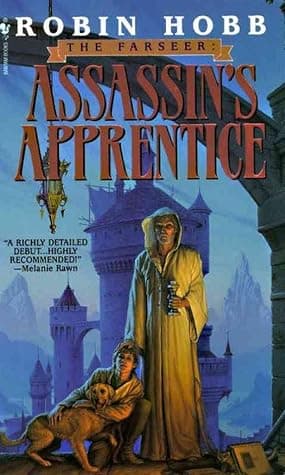
Assassin's Apprentice (Farseer Trilogy, #1)
Sometimes you read something and you realize, it’s exactly what you’ve been looking for your entire life. That was this book for me. I really don’t think I’ve loved a piece of fiction like this since I was a child.
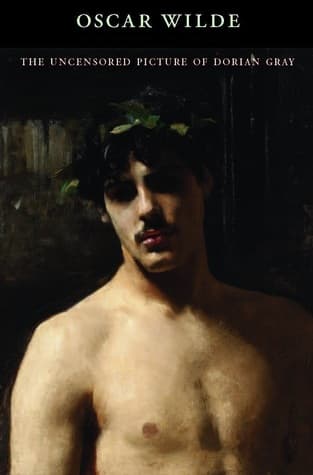
The Uncensored Picture of Dorian Gray
“That book you sent me so fascinated me that I forgot what the time was.” “I thought you would like it.” “I didn’t say I liked it, Harry. I said it fascinated me. There is a great difference.” I am far too dumb and too crude of an art lover to review this masterpiece, though it hasn’t stopped many others so I’ll put in my two cents as well. It’s taken me years to finish this book. It’s a short piece, so there’s no proper reason as to why I held off on finishing. I do have a theory, though, because yesterday, when swamped with sudden genius, I managed to read the book in one single sitting. This is not to say I ever thought the book was boring. The very first chapter is possibly one of my favorite narrative introductions I’ve ever read. I think I just felt undeserving (?) to read such a piece when it was clear the author was so learned. How funny it is, honestly! I have never felt more vapidly soulless then I did chapter 9. “An artist should create beautiful things, but should put nothing of his own life into them.” I am convinced that continuing to read this piece is the upmost invasion of privacy, especially after the Wilde himself ironically explains the pouring of soul in art being of such consequence. Yet it tempted me, line after line, and I could only tell myself that Wilde published such a deeply confessional piece because he wanted the onlooker, the spectator, the audience… Since he wanted it so, I, in all selfishness, decided I would entertain him, or rather I would accompany him through it. RIP
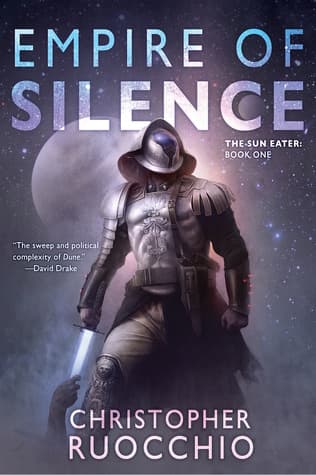
Empire of Silence (The Sun Eater, #1)
2/26: boring - 7/26: Honestly, what a read. To begin, and to build on the comment about the “boring” premise I’d made months before, I won’t take back what I said. The book, at times, did drawl. If it was unnecessary or not, I can’t really say so. That’s a question to answer with the following books in the series, of whether or not we truely needed the gladiator fights or to see Gribson teachings instead of reflecting back to them and being put straight into the narrative after Hadrian’s abandonment of Emesh. But in all honesty, by the end I was at a point where the stakes at play felt so immeasurably grand… But it did take time to get to that point. I’m sure I’m neither the first nor last to have consistered this book boring at times, it was something I had to push through with. And I did. Because sometimes, in between the insistence of our author that this story ultimately has a riveting ending, with the destruction of some supposed star incoming, this book felt like a story that needed to be read from the start. I enjoyed how human-centric the writing was in how people engage. These written fleeting bonds suit the human psyche where we are wired to change with each passing minute. I enjoyed seeing Hadrian’s familial relationships for the few chapters it was, but I was particularly interested by how his first crush, first love, first bethrothed, and life long love all were all different individuals. It seemed very human, instead of the idealistic portrayal of romance many authors find themselves defaulting on. After all, often times we as people don’t stray in each others paths for long. And what a love for language, archeology, and religion and it’s role in humanity this story holds. Though obviously the violence is the engaging and fun part to read, I did enjoy the passages where characters show their why religion and science will always be a story for the ages. Though I’m starting to wondering if I was wrong in thinking this book was a sci-fi. It often feels rooted in epic fantasies, so I supposed the title space opera is well earned. But the themes of no machines, an ancient God, and the foreshadowing that our protagonist has a connection with it does fall a bit within a fantasy category. I have no issue with it. Great book.